Wake Up Daily As If Every Day Were SIGMOD
I had two choices for spending my discretionary income this year: Tomorrowland Thailand or SIGMOD Bangalore.
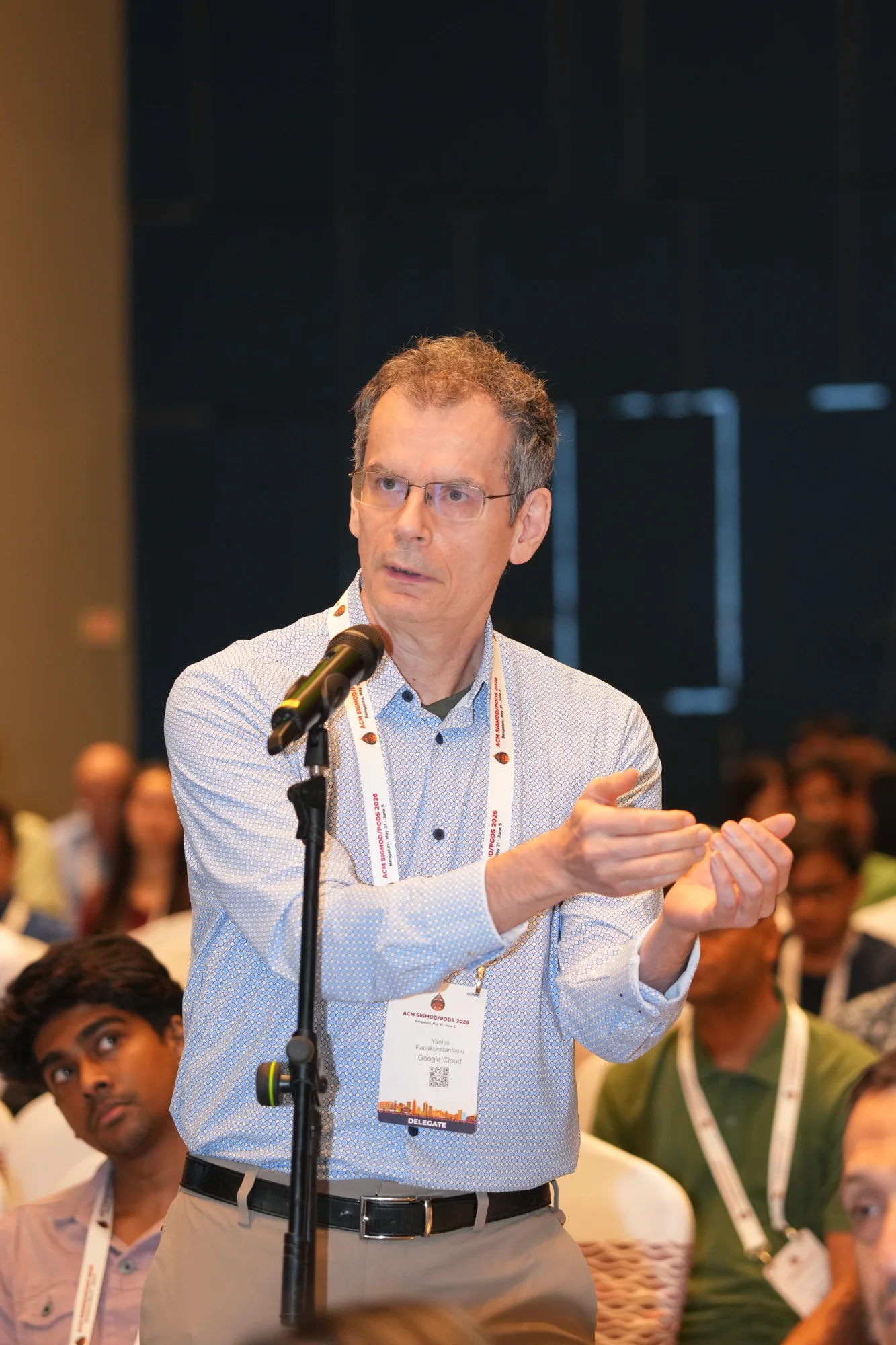
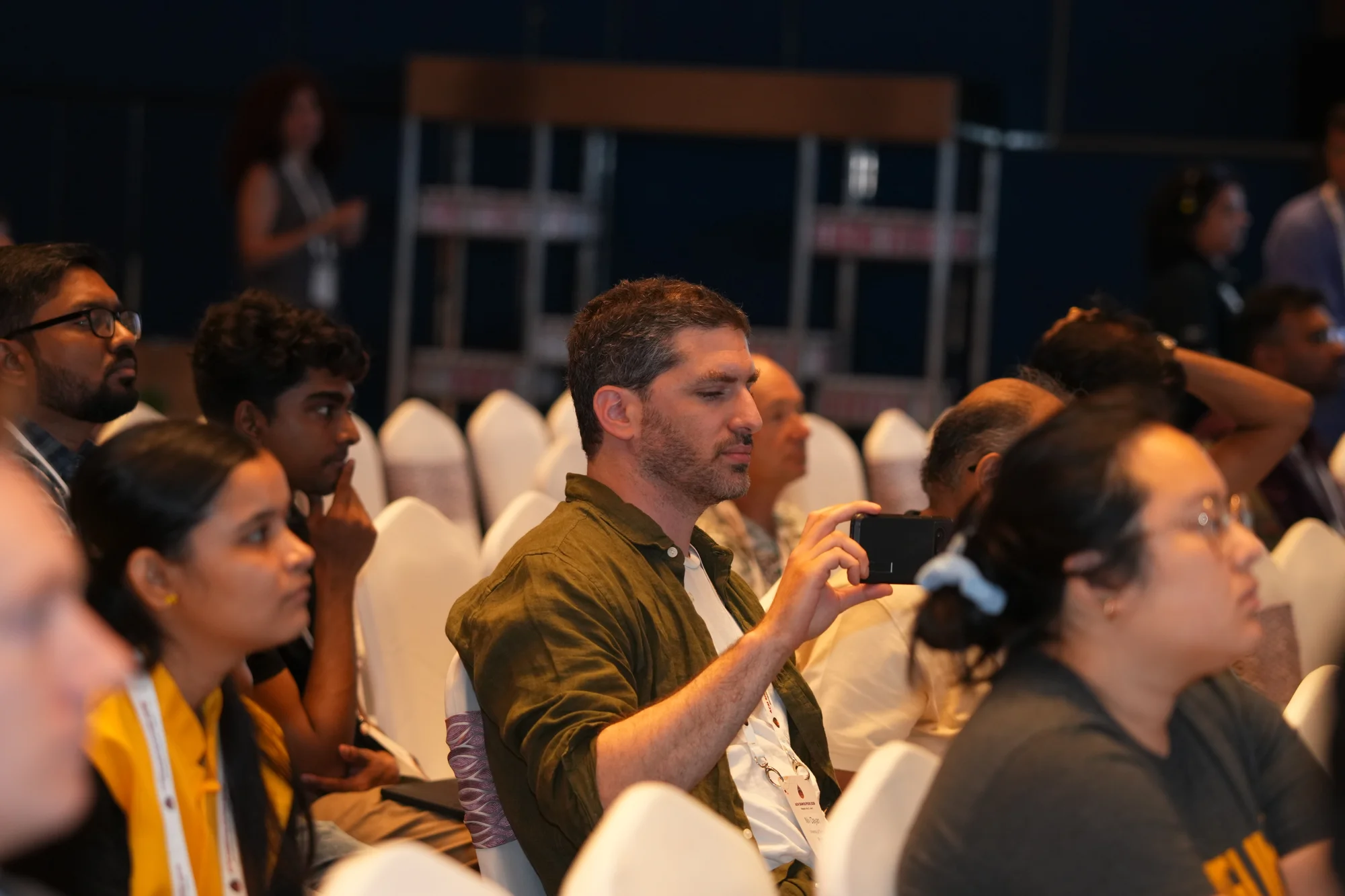
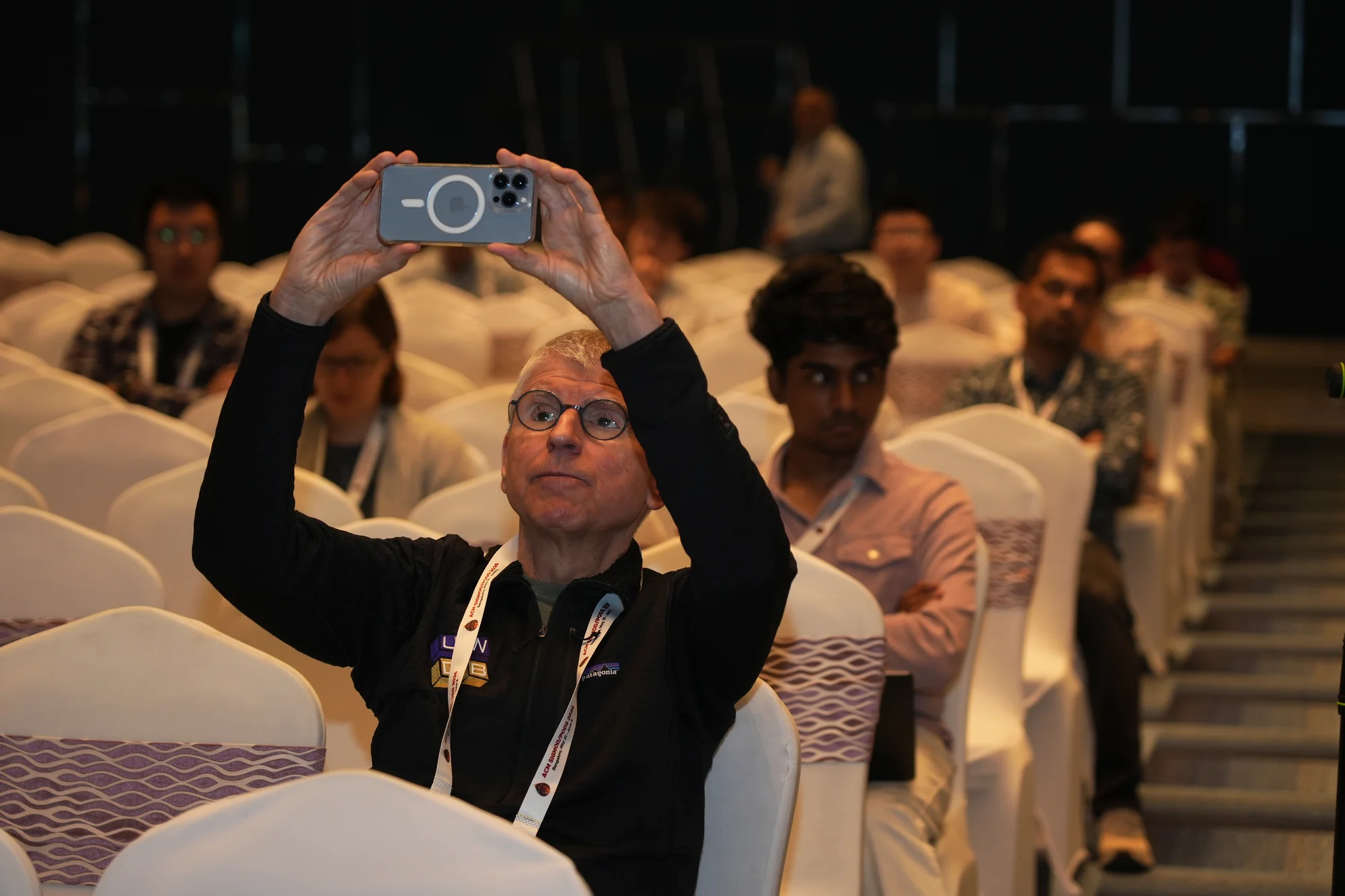
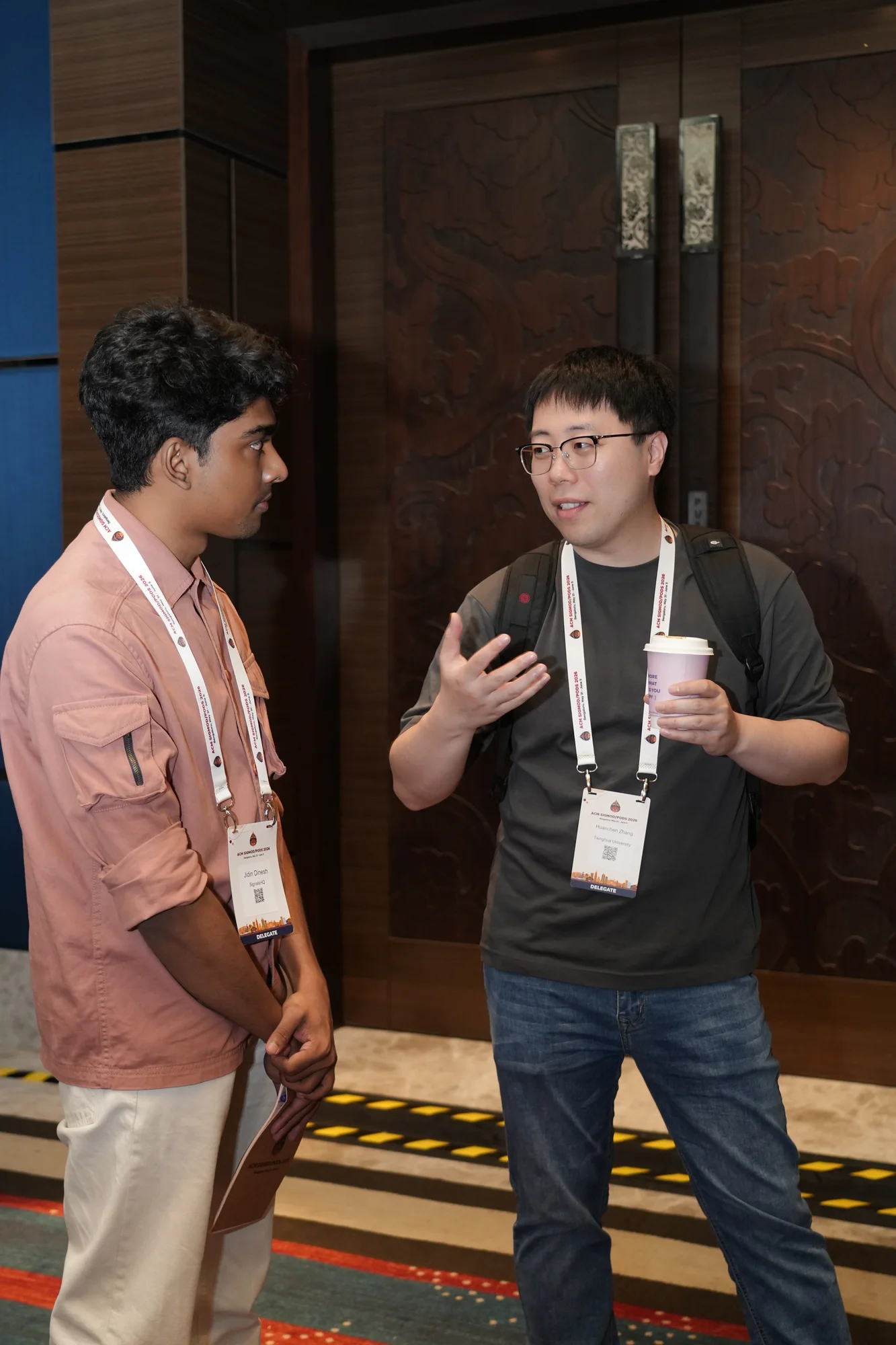
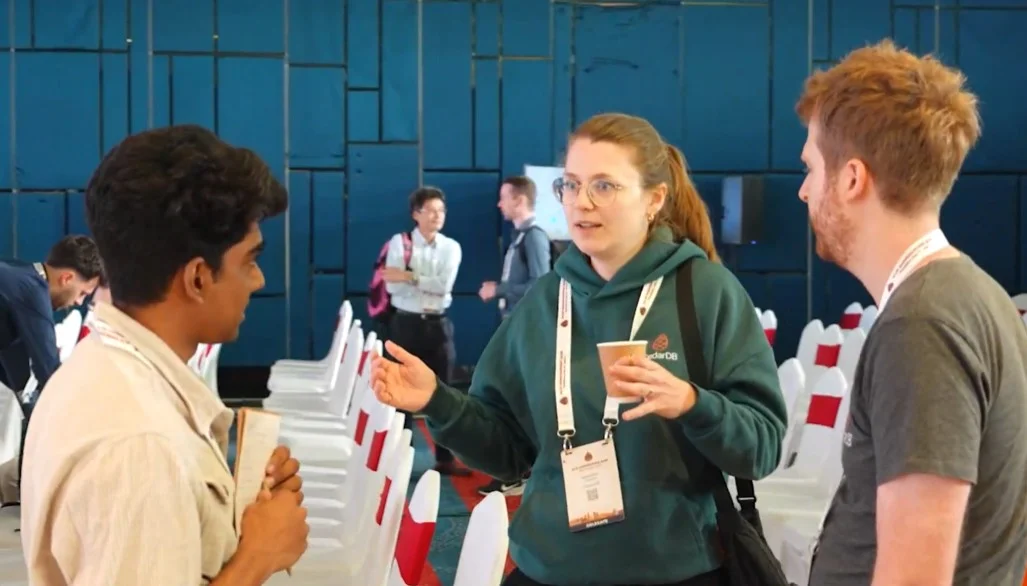
During the week of the conference, I would reach home by midnight after post-dinner conversations with database researchers I had long wanted to meet. Then I’d wake up at 4 a.m. to prepare for the day’s sessions and scheduled chats. I cherished every minute of the conference because I knew I would probably never get this kind of access again—access to the people whose papers I had read, whose lectures I had watched on YouTube, and whose tweets I had bookmarked.
Notes to myself, from these conversations:
- Systems, Not Just Databases
Don’t narrow yourself to data processing. Read widely beyond SIGMOD/VLDB/EDBT/ICDE. Build a systems toolbox—reverse-engineer the primitives that papers use (caching, predicate pushdown, etc.). Good research applies the right tool to the right problem; great research expands the toolbox.
- Pull the Trigger
If you want to do a PhD, commit now. Grit, patience, and stress tolerance matter more than raw brilliance.
- Leverage Your ML Background
Use it as a differentiator when trying to break into systems graduate school.
- Pick the Right Advisor
Early-career professors are hungry to publish fast at top venues; senior professors have stronger networks to embed you into.
- Own Your Work
Use your advisor as a resource to unblock you, but you alone are accountable for progress.
- Coherence Over Collection
Your research projects should tell a coherent story, not scatter in random directions. Pursue projects that are intellectually interesting to you and “useful” to the world.
- Abstract Problems Down to Their Core
Learn to strip problems down until you reach their essence.
- Mini Milestones & Rewards
Create them yourself. Clear, immediate feedback is rare in research. When stuck, talk to people sooner.
- Market Your Work
Be ambitious. Craft memorable paper titles that sell the idea while sounding scientifically credible. Simplify your slides, rehearse your talks, and modulate your voice.
- Be Fun to Work With
Be likable, don’t gossip.
- Microbenchmarking
Get good at writing tight microbenchmarks to validate hunches. Hand-write unit tests for correctness; integration tests for performance.
- Theory Papers
When reading PODS-style work, ignore the notation at first and follow the examples through.